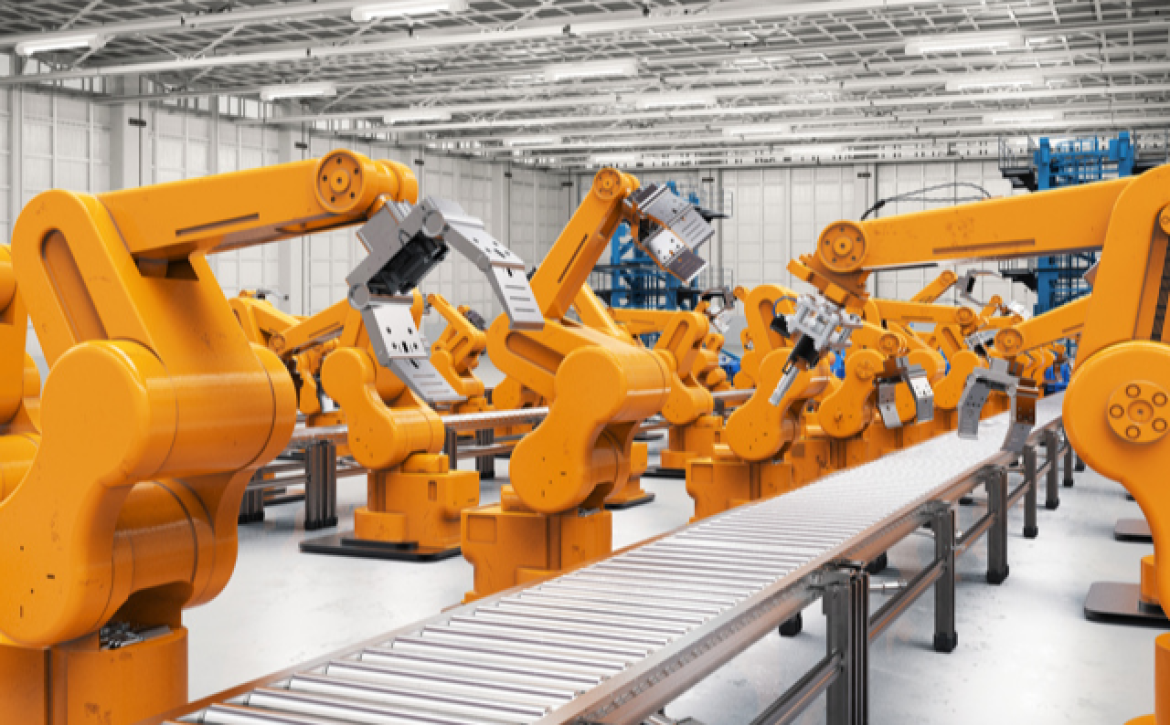
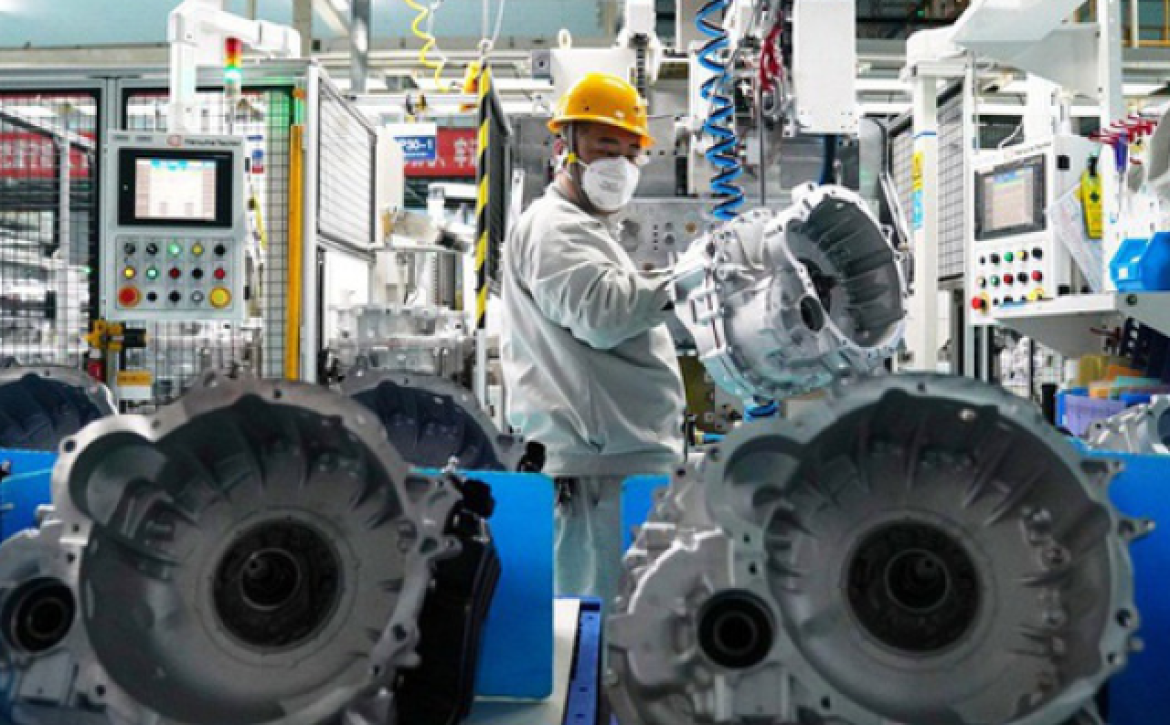
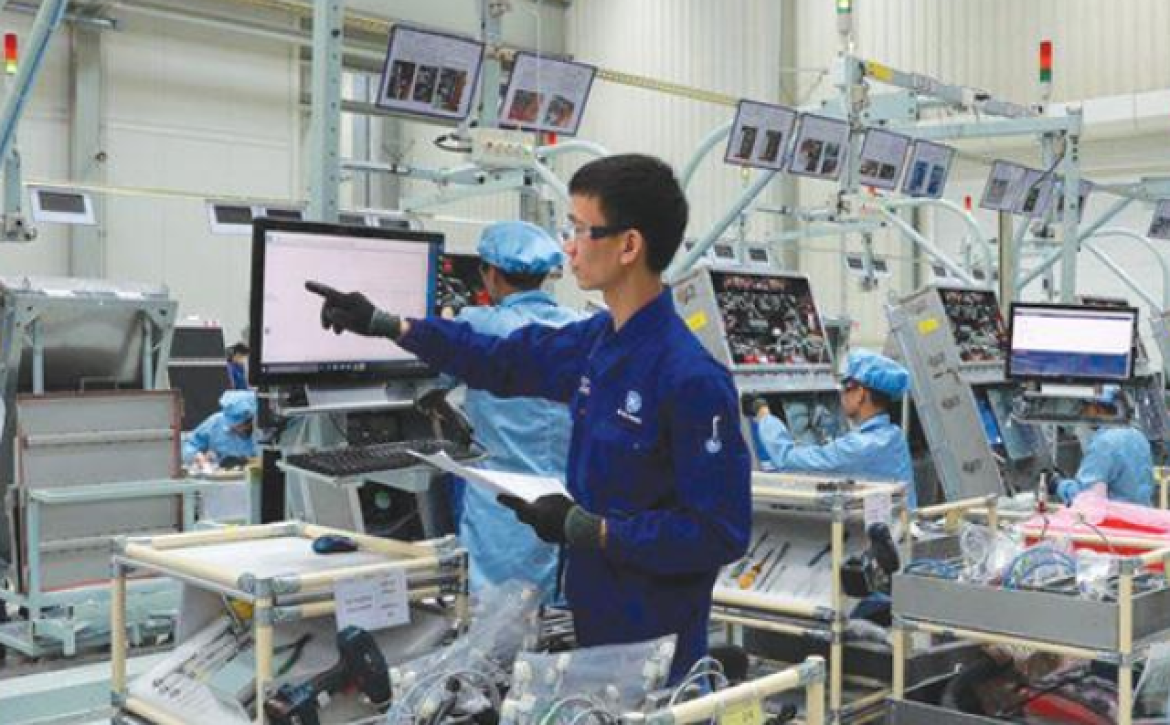
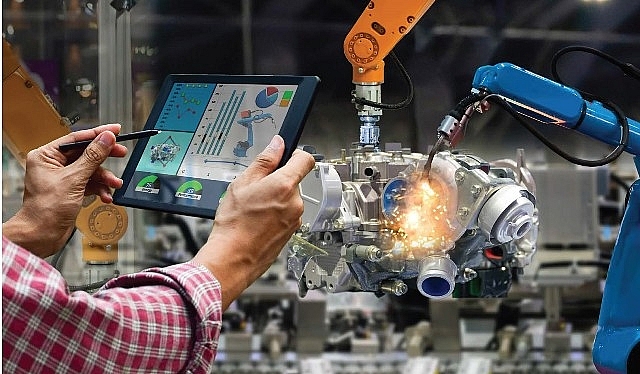
Currently, our company has 04 modern plastic injection molding factories and 01 modern mold factory. The current designed capacity has nearly 100 modern plastic injection machines with the latest technology, imported from Japan, Taiwan, and China.
Currently, our company has 04 modern plastic injection molding factories and 01 modern mold factory. The current designed capacity has nearly 100 modern plastic injection machines with the latest technology, imported from Japan, Taiwan, and China.
Currently, our company has 04 modern plastic injection molding factories and 01 modern mold factory. The current designed capacity has nearly 100 modern plastic injection machines with the latest technology, imported from Japan, Taiwan, and China.
According to the Ministry of Industry and Trade, the supporting industry is underdeveloped, in fact, Vietnam’s processing and manufacturing industry is very dependent on the supply of imported input materials, components, and components – especially the industrial sectors. key industries such as electronics; textile; leather – shoes – bags; Therefore, when the Covid-19 epidemic broke out in the countries supplying parts and accessories mainly for Vietnam such as China, Korea, Japan… , the domestic industry has encountered many difficulties in securing production inputs. It was not until the above-mentioned countries passed the peak of the epidemic that the supply of imported raw materials for Vietnam’s manufacturing industries was restored.
The assessment of the impact of the Covid-19 epidemic on domestic manufacturing industries has clearly revealed one of the weaknesses of the Vietnamese economy: The internal resources of the manufacturing industry are limited, depending heavily on the domestic industry. foreign supply chains; The underdeveloped supporting industry makes Vietnam unable to be self-sufficient in input factors of production, leading to a state of dependence on imported components and raw materials (but the trade deficit of inputs for the production of goods). production is a situation that has lasted for many years), making the added value of domestic industries very low.
According to the Ministry of Industry and Trade, in recent years, the manufacturing and processing industry has accounted for a high proportion of nearly 40% of the total net sales of production and business of the economy, but only contributed about 14% of GDP. value added is very low compared to other industries. Data from the Organization for Economic Cooperation and Development (OECD) also show that, in the past five years, in the structure of added value in Vietnam’s export products, value added from abroad is still accounts for a large proportion, especially from China and Korea, while the proportion of domestic value-added content is still low and has not yet changed significantly (two key export products of Vietnam are textiles and electronic goods have a domestic value-added ratio of just over 50% and over 377%, respectively.
Bringing overall efficiency in both socio-economic terms
Implementing the conclusion of the Politburo, 2 pilot investment projects to exploit and process bauxite ore into Alumin (the main raw material for aluminum refining) in Tan Rai, Bao Loc, Lam Dong and Nhan Co in Dak Nong were started. in 2008 and 2010 initially achieved economic efficiency.
Although it was deployed at a time when there were many different views on bauxite mining and processing in the Central Highlands and the low price of Alumin on the world market, since 2017, Alumin factories have started making early profits. 1 year longer than planned. Thanks to the use of modern technology in the world, the purity of Alumin is higher than the design, with less energy consumption. Both factories strictly complied with the law on budget, taxes and fees, and have basically paid off loan capital and bank interest. The Vietnam Coal and Mineral Industries Group affirmed that if the world alumina price drops from 12% to 17%, both projects will still be economically viable.
Reporting at the meeting, Deputy Minister of Industry and Trade Do Thang Hai said that the two projects basically met the requirements of the Politburo. In which, the Ministry of Natural Resources and Environment has completed the bauxite ore exploration project. Accordingly, the two projects basically satisfied the requirements of environmental protection, in which the safety factor of the red mud lake was increased by 3 times, the return of land and afforestation immediately after exploitation were carried out properly. as required. The investor has also built power plants to ensure power supply for the 2 plants. “With the results recorded from 2 projects, for the first time, Vietnam basically mastered the Alumin production technology with young human resources, and at the same time attracted investors to initially form the Alumin industry and refinery. aluminum in Vietnam” – Deputy Minister said.
Another important issue is that when the two projects operate, the preservation and preservation of cultural identities of ethnic groups in the Central Highlands and national security and national defense are still ensured. The income of local people has increased, from 17 million VND/year on average before 2007, up to now, it has increased to 65 million VND/year.
It can be affirmed that, after 10 years of pilot implementation of two bauxite mining and processing projects, Tan Rai and Nhan Co, this shows that this is the right policy of the Party and State, bringing about overall efficiency in both economic economy – society, ensuring security – defense, making an important contribution to changing the face of the Central Highlands according to the principle of effectively exploiting the potential of this region.
The Prime Minister pointed out that the report needs to be comprehensive, in-depth and more visionary on the development of the Alumina and aluminum industry in Vietnam to 2025 and 2030. In fact, there are two pilot mining projects. bauxite and alumina processing Tan Rai and Nhan Co have made certain contributions to the country’s economy, attracting investors to the aluminum smelting field, thereby promoting the development of the mechanical and equipment manufacturing industry. equipment and auxiliary chemicals. “These projects have made positive contributions to the development of the Central Highlands in recent years, a premise to consider the expansion of bauxite mining and processing in the Central Highlands when the planning is approved by competent authorities.” – The Prime Minister emphasized.
The Prime Minister also requested that, in the future, if the Alumin and aluminum industries are to be developed on the basis of these two factories, they must be associated with the market and ensure economic efficiency, because aluminum smelting often requires a lot of electricity. Accordingly, it is necessary to mobilize potential businesses from many other sectors to invest in projects. “Besides, it is necessary to research and develop off-road transport modes from factories in the Central Highlands to seaports, along with the application of new technology to treat red mud,” noted the Prime Minister.
The Prime Minister further suggested that in order to sustainably develop the aluminum industry and aluminum smelting, special attention must be paid to environmental protection, ensuring security, national defense, social order and safety. Especially to protect the living environment of the Central Highlands people including mountains, forests, water, air and unique cultural space of ethnic minorities.
According to a report from the Vietnam Association of Supporting Industries (VASI), in 2020, due to the impact of the epidemic, nearly 50% of businesses under the association have a sharp decrease in revenue. But with flexible solutions to quickly respond to difficulties, many enterprises have actively stabilized production and rearranged the management apparatus; since then, still have orders, overcome the most difficult period of the epidemic. Up to now, businesses have basically found a source of goods, reconnected with export partners and gradually recovered.
In fact, when the epidemic occurred, many businesses said that they had changed their business plans and strategies to be able to survive and develop. In the past, technology transfer was usually done by foreign countries, but in the past year many enterprises have made full use of existing capacity conditions, restructured, changed core processes, used machinery and equipment. domestic equipment to be more active in production.
In order to help each other overcome difficulties, the business community has also made efforts to help each other through order sharing, processing and product discounts… At Haitian Vietnam Co., Ltd., businesses offer a 5% discount program. on the value of the machine and only need to deposit 5% to be able to ship the machine to a partner factory for production, the remaining 95% is paid in installments within 2 years. Or like Huy Hoang Gia Steel Co., Ltd., Vietsteel Company, down 10% (depending on product)…. Currently, domestic mechanical components manufacturing enterprises also have quite good capacity in some areas. fields such as: Molds of all kinds, mechanical components, electrical cables, plastic components, technical rubber… In addition, the demand of the supporting industry market is very large, so many enterprises has boldly invested to improve production capacity, focusing on developing quality product lines, serving foreign direct investment (FDI) enterprises, focusing on exporting mechanical products- Mr. .
When the wave of innovation hit the domestic industry, the Prime Minister approved the Strategy for the development of Vietnam’s mechanical industry to 2025 with a vision to 2035, promoting development with advanced technology, product quality meets international standards and participates more deeply in the global value chain with an export target of 45% of the total mechanical output by 2035. Along with the rising trade war context, Vietnam is expected to become the “new factory” of the world. In particular, the northern provinces of Vietnam with a long history of mechanical development, favorable geographical position to receive the flow of production and attract high investment capital – with high investment capital. the country reached 4.87 billion USD in Hanoi city… are great opportunities for manufacturing enterprises in Vietnam.
However, many experts also share the same opinion that, before the strong impacts of the Industrial Revolution 4.0 wave, mechanical enterprises in Vietnam will have to face many challenges in improving technology, catch up with trends, improve labor skills, quality of infrastructure, to be able to participate in the global supply chain… and great competitive pressures from countries in the region, as well as in the world gender.
Therefore, this conference aims to suggest opening steps for Vietnamese businesses on the way to finding solutions to the problem of sustainable development; as well as taking advantage of opportunities, identifying advantages and challenges posed in the present time. Thereby, Vietnamese mechanical enterprises will have to devise strategies on how to master technology to confidently “stand on the shoulders of giants” and catch up with competitive advantages in the era of “World War II”. flat” in the present and in the future.
The seminar is expected to welcome more than 100 attendees, including agencies, experts and businesses operating in the manufacturing, manufacturing and mechanical industries.
Increasing Vietnamese enterprises participating in Samsung’s production chain
Business improvement consulting program by Samsung experts from Korea. 6 enterprises participating this time include: Manutronics Vietnam Joint Stock Company (Bac Ninh), Tien Thanh Joint Stock Company (Bac Ninh), Bac Viet Technology Joint Stock Company (Bac Ninh), Nhat Minh Company (Binh Duong) ), Minh Man Printing Trading Production Company Limited (Ho Chi Minh City), Vinavit Company (Ho Chi Minh City).
In 12 weeks, Korean experts surveyed and evaluated enterprises for 2 weeks and directly consulted and worked with Vietnamese enterprises in the next 10 weeks to improve production processes and perfect standards in supplying products and components to Samsung’s factories in Vietnam. According to experts, 6 enterprises participating in this consultation have achieved good results in improving production and enhancing competitiveness.
Samsung Vietnam also said that, along with completing the improvement consulting program for 12 potential Vietnamese enterprises, also in 2017, Samsung achieved the goal of increasing the number of Vietnamese enterprises that are tier 1 suppliers to the total number of Vietnamese enterprises. 29 enterprises.
According to experts directly participating in the consulting program, Bac Viet Technology Joint Stock Company is the second-level supplier of Samsung Electronics Vietnam (SEV) and Samsung Electronics Vietnam Thai Nguyen (SEVT) in the field of manufacturing. manufactures precision molds and electronic plastic components. 12 weeks of participating in the consulting program has brought North Vietnam significant improvements in production, product quality as well as inventory management. Accordingly, the inventory ratio decreased from 37% in August to 24% in November. With the support of Samsung experts, Bac Viet has also successfully built a chronic fault improvement system, helping to measure Measure and analyze errors to promptly make improvement plans and preventive measures. The PQC error rate is accordingly reduced to 63% after the improvement process.
Bac Viet Technology Joint Stock Company is a member of BacViet Group, established in July 2008 and officially put into operation in March 2010. With a system of modern and precise mechanical machinery and equipment imported from Switzerland, Japan, Germany, etc., North Vietnam’s detailed products and molds have been approved by partners such as Canon, Samsung, Kyocera, etc. Korg, Nippon Seikei… welcome.
Before becoming a supplier to Samsung, Bac Viet was a major partner of Canon. Mr. Tran Anh Vuong – Chairman of BacViet Group shared: We have been a supplier for Samsung for 2 years now. Currently, North Vietnam provides Samsung with a small part of components in headsets and virtual reality glasses. When Samsung came here, their tier 1 supplier system was Korean companies who came out to find partners and chose businesses as tier 2 suppliers.
“Participating in Samsung’s consulting program this time is a good opportunity for North Vietnam and for Vietnamese enterprises that are manufacturing components to be able to improve their competitiveness and go deeper into the global value chain. of a large corporation, rising to become a tier 1 supplier”, – Mr. Vuong affirmed.
Mr. Tran Quang Huy, Deputy Technical Director of North Vietnam added: The consulting program is really useful for businesses. Samsung experts have supported to improve the competitiveness of Vietnamese enterprises, trying for Vietnamese enterprises to keep up with Korean enterprises in the supply of spare parts and accessories, thereby gradually increasing the localization rate. . Our biggest gain after the consulting program is that there have been many changes from people to general management thinking, workers are more conscious, labor productivity is increased, breakdowns are reduced, waste is reduced; The depth of management as well as production has increased higher than before.
Improving production activities is not only about improving machines and technology, but experts from Samsung have helped businesses from changing their sitting posture to create favorable conditions for workers to operate machines. , equipment … to how to reduce inventory, improve redundancy in the production process… According to the North Vietnamese representative, these are very valuable lessons, helping “big” businesses. in management thinking.
Currently, the product supply for Samsung accounts for 40-45% of North Vietnam’s total revenue; Canon is 35% and about 20% more is left for other businesses. Going through Samsung’s consulting program to become a tier 1 supplier is North Vietnam’s immediate goal. Further, becoming a leading enterprise in the field of supporting industries, specializing in supplying products to foreign corporations and businesses, is still being strived and maintained by the company to support Vietnam’s supporting industry. gradually identified on the global production map.
Mr. Isara Burintramart – CEO of ReedTradex Company – said that the world is currently moving towards the era of Industry 4.0. Industry 4.0 is the 4th industrial revolution after the first 3 waves starting from mechanization with steam power, mass production with electric motors, automation by computers. In addition, industry 4.0, also known as the smart factory, is an effective combination of new technologies derived from the network of Internet-connected devices (IoT) to the cloud, analytics, robotics, technology. 3D printing and artificial intelligence.
According to Mr. Isara Burintramart, the application of Industry 4.0 will help industrial production enterprises reduce operating costs by 3.6% and increase efficiency by 4.1% in a year. Meanwhile, assessing Vietnam’s manufacturing industry, Mr. Isara Burintramart said that currently, the production level in Vietnam is at the stage of industry 2.0 and industry 3.0. lack of new technology, information and infrastructure.
In order to support Vietnam to approach Industry 4.0, the Vietnam Manufacturing Expo, which takes place from April 26-28, together with the Vietnam Sheet Metal Exhibition and the Vietnam Supporting Industry Products Exhibition, will bring together more than 200 brands. leading industrial brands from 20 countries, along with 5 pavilions from Japan, Korea, Thailand, Singapore and Taiwan.
Accordingly, Vietnam Manufacturing Expo 2017 returns with advanced technologies with high applicability, focusing on automatic measurement and assembly technology, which is considered an important part of Industry 4.0. Specifically, leading brands in automatic assembly and measurement technology such as Hexagon, Nikon, Scantech, Wenzel, Misumi… will introduce smart production technologies at the exhibition to Vietnamese manufacturers. .
In addition to introducing technology, ReedTradex Company will connect with domestic associations to bring topics, activities, seminars to update knowledge and business connections towards the 4.0 manufacturing industry. Workshop “Applications of new equipment and technologies in the production of mechanical products” with the participation of 100 mechanical enterprises.
At the same time, to meet the high demand for welding and manufacturing techniques at the exhibition, there will also be a “Welder Skills Competition”. The competition includes theoretical and practical tests, encouraging welders on the importance of upgrading, improving skills and helping manufacturers improve their competitiveness. In particular, according to the organizer of the Metal Gyro contest “Koma Taisen in Hanoi 2017” will also continue to return to bring special performances.
Vietnam’s steel industry has only reached 67% of production capacity because of import pressure
According to Mr. Ho Nghia Dung in 2015 and 2016, Vietnam’s steel industry has achieved a fairly high growth rate of over 20%/year, however, the steel industry has only operated with about 67% of the existing production capacity. .
Specifically, in 2016, steel billet production reached 7.8 million tons, equivalent to 62% of the industry’s designed capacity of 12 million tons; final products of all steels reached 17.7 million tons, equal to 67% of the designed capacity of 26.4 million tons; or construction steel, produced 8.6 million tons, equaling 67.7% of the designed capacity of 12.7 million tons…
However, according to Mr. Dung, the performance of Vietnam’s steel industry in the first quarter of 2017 showed signs of slowing down. Specifically, in the past 3 months, the whole country produced over 4,637 million tons, up 18.8% over the same period and steel consumption reached over 3,761 million tons, up 6.7% over the same period in 2016.
“Despite the growth in the first quarter of 2017, steel consumption growth was only 6.7% while the steel industry expects this target growth to be 12% for this year,” Dung said. We know, along with the recovery of the construction industry and the real estate market, the domestic demand for steel has increased, however, the reason the steel industry only operates at 67% of its current capacity is because competitive pressure from products of the same type imported into our country.
Accordingly, as of March 15, 2017, the amount of finished steel imported into Vietnam has reached 3.56 million tons with a turnover of 2.2 billion USD, up 13% in volume but up 64% in quantity. value of import turnover over the same period. In which, imports of color coated steel sheets reached 84,748 tons, up 40%; steel rods reached 141,009 tons, up 113%; cold rolled steel was 159,381 tons, up 158%… In addition, imports of welded steel pipes, steel wire, other galvanized steel, stainless steel… also increased very high.
“If we reduce the amount of imports, we hope to increase the production capacity of the domestic steel industry,” Dung said.
Early warning investors
According to the Vietnam Steel Association, currently many domestic steel enterprises are planning to invest in expansion, especially, many foreign enterprises, mainly Chinese enterprises, also plan to invest in construction. steel factory in Vietnam.
Through the analysis of production capacity, product consumption and domestic demand for steel, Mr. Ho Nghia Dung said that it is necessary for businesses (both domestic and foreign) to invest in new or expand production. However, Mr. Dung also warned that investment should only be made in the production of product lines that Vietnam cannot yet produce, such as billet or hot-rolled flat steel products… to form a closed production line. As for the end products, such as: galvanized steel, construction steel, …, businesses need to be very cautious before investing.
Before the news that some Chinese enterprises are intending to invest in building a stainless steel factory with a capacity of up to 300 thousand tons/year in Nhon Trach, Dong Nai province, Mr. Ho Nghia Dung said, according to data According to the Vietnam Steel Association, currently Vietnam’s stainless steel demand is about 200 thousand tons/year while the existing capacity of enterprises in Vietnam has reached over 300 thousand tons/year. exploiting only 35-70% of the designed capacity. In addition, every year, our country imports about 60 thousand tons of stainless steel on average.
“Thus, if there is an additional stainless steel factory with a capacity of 300 thousand tons/year, the output will be over 600 thousand tons/year, 3 times higher than the demand” – Mr. Dung analyzed and warned. creating an unnecessary competitive advantage for Vietnam’s steel market.
Mr. Ho Nghia Dung also said that the Vietnam Steel Association has repeatedly commented on the Vietnam Steel Industry Master Plan, which affirmed that foreign investment capital (FDI) in Vietnam has greatly supported Vietnam. much for Vietnam’s steel industry in the beginning to increase production capacity and access new technologies; modernize business administration, market